
EPS Packaging Applications for Food and Agriculture
Expanded Polystyrene (EPS) is used in food and agricultural applications across Europe. Fish boxes and beehives are examples of EPS products designed to provide thermal insulation, product protection or lightweight handling. This page presents collection, reuse and recycling examples from the Netherlands and Denmark, as well as applications in beekeeping.
EPS Fish Boxes: Protection, Temperature Control and Recycling
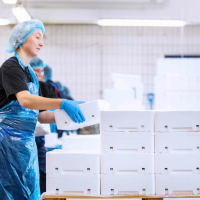
Everyone enjoys some fresh fish every now and then. And everyone agrees that it’s tragic to waste fish or any other fresh foods while other people in the world go hungry. Packaging systems can help maintain the conditions required for the transport of fresh food products.
EPS fish boxes are used to transport fish and other seafood products from landing sites to retail outlets. Their thermal performance, impact protection and stacking strength should be assessed according to the product, transport conditions and required handling characteristics. EPS fish boxes can be technically recycled through established processes, subject to their design and the availability of suitable collection, sorting and recycling infrastructure. There are several collection, reuse and recycling programmes across Europe in ports and fish markets.
In the Netherlands, for example, approximately 90% of fish boxes are recycled. This reported figure should be accompanied by its source, year, geographical scope and calculation method. Stybenex, the Dutch National Association of Manufacturers of EPS products, has supported collection and recycling schemes for EPS. The video here shows how the Dutch do it.
EPS fish boxes, like so many other EPS applications, can provide product protection and temperature control. Their reuse and recycling depend on collection systems, cleaning requirements, product design and available local infrastructure.
Fish boxes are not the only example in the Netherlands. Hundreds of municipal collection points take back EPS post-consumer waste and EPS packaging collection trends have been showing a steady increase, too.
Reusing and Recycling EPS: Denmark Shows an Example
The three R’s of the circular economy are Reduce, Re-use and Recycle. A food delivery service in Denmark has developed a system for the reuse and recycling of EPS food boxes.
Food delivery service RetNemt Måltidskasser offers ready-made, high-quality, mostly vegetarian meal boxes for people who don’t have time to cook full meals every day. It offers a variety of different menus and size options. Yet they all have one thing in common: they are delivered in EPS (“Flamingo”) boxes packed with ice that are designed to help maintain the required temperature conditions for a defined period.
Moreover, the company collects the boxes with the next delivery, then cleans, disinfects and re-uses them where their condition and applicable hygiene requirements allow. When the boxes can no longer be used because of damage, they are granulated and sold to a local insulation company. The suitability of recovered material for a new application depends on the material quality and the relevant technical requirements.
The Danish plastics industry has published a design guide that provides a decision tree to help companies select materials and recycling processes for packaging. It is estimated that 70% of Danish EPS food delivery service packaging is recycled. This figure should be presented with its source, year, scope and calculation method.
EPS packaging can provide product protection and temperature control during transport. Where collection, cleaning, sorting and recycling systems are available, reuse and recycling routes can be considered for relevant EPS packaging applications.
What do Bees call Home Sweet Home? Sometimes it’s EPS!
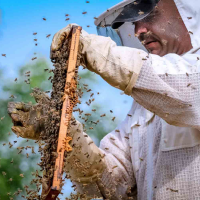 Bees are by far our planet’s principal pollinators, fertilising plants of all types. But bees face daily challenges to survive and have been dying in greater numbers recently because of external pressures including parasitic mites, habitat loss and harsh weather. Very cold winters can be even more deadly than pests and pesticides. Bees consume nectar produced in the summer to keep the brood warm in the winter. Hot summers can also stress the colony as bees expend energy to try to cool the hive down.
EPS beehives can provide thermal insulation. Their effect on hive temperatures, bee behaviour and feed consumption depends on the hive design, management practices, local climate and the condition of the colony. Food-grade, high-density EPS beehives are also designed to resist moisture; their service life depends on use, maintenance and operating conditions.
Beekeepers of all ages also like the fact that EPS beehives are lightweight, making them easier to move—an important feature for professional beekeepers who move hives from one field to the next in season to pollinate crops.
EPS beehives have been used in Europe for more than 40 years. You can read more about them here.